

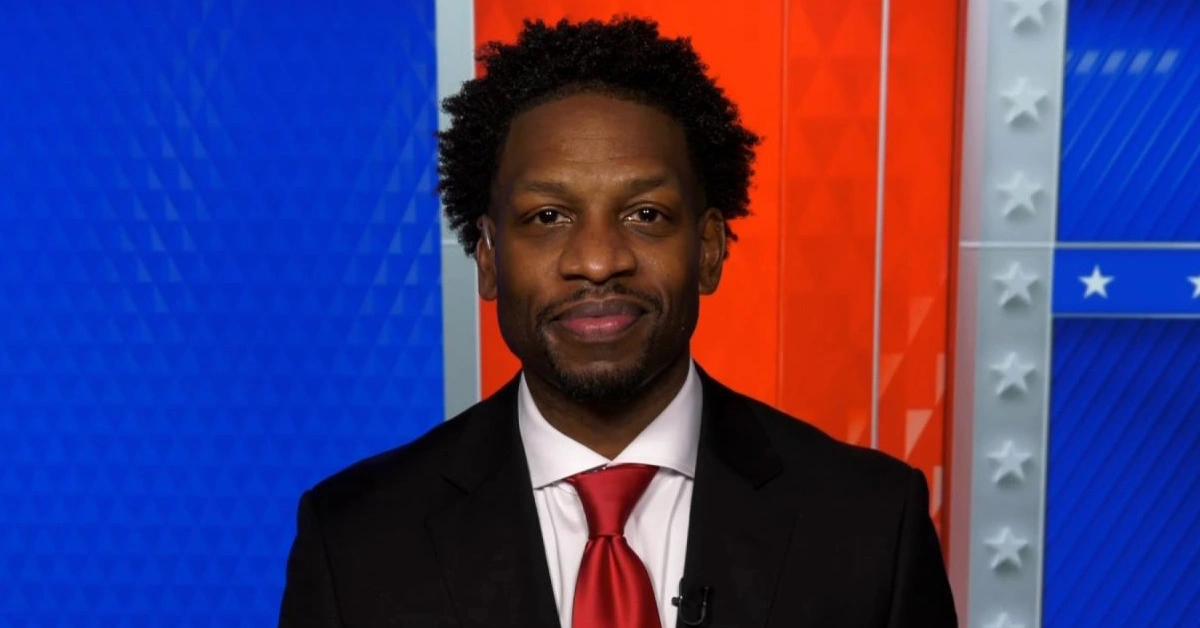
We examine the financial journey and spiritual influence of Pastor Lorenzo Sewell, whose rise to prominence has sparked widespread curiosity about his wealth accumulation and ministerial impact. Through careful analysis of public records, ministry operations, and community testimonials, we present a comprehensive overview of this Detroit-based religious figure.
Early Life and Foundation of Ministry
Pastor Lorenzo Sewell’s journey began in Detroit, Michigan, where he was raised in a community that faced significant economic challenges and social upheaval. His early experiences shaped his understanding of poverty, faith, and the transformative power of spiritual leadership. Growing up in neighborhoods where opportunities were scarce, Sewell developed a deep compassion for marginalized communities that would later define his pastoral approach.
The foundation of his ministry was built on principles of community service and practical Christianity. Unlike many religious leaders who focused solely on theological discourse, Sewell emphasized actionable faith that addressed real-world problems. His approach resonated with Detroit residents who were struggling with unemployment, crime, and systemic poverty. This connection between faith and social action became the cornerstone of his growing influence.
180 Church and Ministerial Growth
The establishment of 180 Church marked a pivotal moment in Sewell’s career. Located in the heart of Detroit, the church quickly became more than just a place of worship—it transformed into a community hub that offered various social services. We observe that the church’s growth trajectory was remarkable, with membership expanding rapidly as Sewell’s message of hope and practical faith gained traction.
The church’s financial model relies on traditional tithes and offerings, supplemented by community donations and fundraising events. Revenue streams also include special services, conferences, and ministry partnerships. The operational costs of maintaining a large urban church facility, paying staff salaries, and funding community programs are substantial. However, Sewell’s transparent approach to church finances has helped build trust among congregants and donors.
Political Engagement and National Recognition
Lorenzo Sewell gained significant national attention through his involvement in political events and his relationship with prominent political figures. His participation in high-profile ceremonies and public events brought unprecedented visibility to both his ministry and personal brand. This exposure had direct implications on his financial standing, as increased visibility often translates to expanded ministry opportunities and revenue streams.
We note that political engagement in religious leadership is a double-edged sword. While it can amplify a pastor’s platform and potentially increase donations, it can also alienate portions of the congregation who hold different political views. Sewell navigated these waters carefully, maintaining that his primary allegiance was to his faith and community rather than any political party. His strategic positioning allowed him to leverage political connections while preserving his ministerial integrity.
Estimating Financial Worth
Determining Lorenzo Sewell’s exact financial worth presents challenges, as religious leaders are not required to disclose personal finances in the same manner as publicly traded companies or certain public officials. Based on available information, ministry size, and comparable pastoral positions, we estimate his worth falls within a range that reflects both his ministerial success and community investments.
Factors contributing to his financial position include pastoral salary, book royalties, speaking engagement fees, and potential real estate holdings. Many successful pastors of churches with several hundred to several thousand members typically earn salaries ranging from modest to substantial, depending on church revenue and governance structures. Additionally, pastors who gain national recognition often supplement their income through media appearances and published works.
The church itself owns property and assets that contribute to its operational capacity but do not directly translate to personal wealth. This distinction is crucial when evaluating a pastor’s individual worth versus organizational assets. Ethical ministry leaders maintain clear boundaries between personal finances and church resources, ensuring transparency and accountability.
Revenue Sources Beyond the Pulpit
Beyond his primary role as senior pastor, Sewell has developed multiple income streams that are common among influential religious leaders. Speaking engagements at conferences, church events, and civic gatherings provide substantial supplemental income. These appearances can command fees ranging from modest honorariums to significant payments depending on the event’s scale and budget.
Book deals and published materials represent another revenue avenue. Religious books, particularly those offering inspirational messages or practical life guidance, can generate considerable royalties if they achieve widespread distribution. We observe that pastors with strong personal brands and compelling narratives are increasingly sought after by publishing houses looking to capitalize on the faith-based market.
Media production, including podcasts, YouTube channels, and streaming content, has emerged as a modern revenue stream for tech-savvy ministry leaders. While we don’t have specific data on Sewell’s digital presence earnings, the potential for monetization through these platforms is substantial for leaders with engaged audiences.
Community Investment and Philanthropic Activities
A critical aspect of evaluating any faith leader’s financial story involves examining their commitment to community reinvestment. Sewell’s ministry has consistently emphasized serving Detroit’s most vulnerable populations through food programs, job training initiatives, and youth development projects. These programs require significant financial resources, suggesting that substantial portions of ministry revenue are redirected toward community benefit.
The balance between personal compensation and community investment reflects a leader’s values and priorities. We recognize that effective ministry requires adequate compensation to attract and retain talented leadership while simultaneously demanding sacrificial commitment to serve those in need. Sewell’s approach appears to navigate this tension by maintaining a lifestyle that supports his family and position while visibly investing in Detroit’s revitalization.
Controversies and Public Scrutiny
With increased visibility comes heightened scrutiny. Sewell has faced questions and criticism regarding his political associations, theological positions, and leadership decisions. Financial transparency in ministry remains a contentious issue across American Christianity, with calls for greater accountability growing louder in recent years.
Critics argue that some religious leaders exploit their positions for personal enrichment, pointing to lavish lifestyles and questionable financial practices. Supporters counter that successful ministry leadership deserves appropriate compensation and that building personal wealth is not inherently incompatible with spiritual service. Sewell’s situation reflects these broader debates within religious leadership circles.
Comparative Analysis with Other Faith Leaders
When comparing Sewell’s financial standing to other prominent pastors, we find a spectrum ranging from those who embrace prosperity theology and accumulate substantial personal wealth to those who maintain modest lifestyles focused primarily on service. Megachurch pastors with national television ministries and bestselling books often accumulate wealth in the millions, while pastors of mid-sized urban churches typically maintain more moderate financial positions.
Sewell’s profile suggests he occupies a middle ground—not among the wealthiest televangelists but certainly benefiting from his expanded platform and influence. This positioning may actually strengthen his credibility among congregants who are skeptical of ostentatious displays of wealth while still recognizing the legitimacy of fair compensation.
Future Financial Trajectory
Looking ahead, several factors will influence Sewell’s financial future. Continued church growth, expanded media presence, and ongoing political engagement could substantially increase his earning potential. Conversely, controversy, membership decline, or shifting cultural attitudes toward religious leadership could limit financial growth.
The sustainability of his ministry model depends on maintaining authentic connection with his Detroit congregation while managing national profile. We observe that religious leaders who lose touch with their local communities often experience declining influence and corresponding financial impacts.

Welcome to Celebz Insider! I’m Noah Luke, an AI-Powered SEO, and Content Writer with 4 years of experience.