

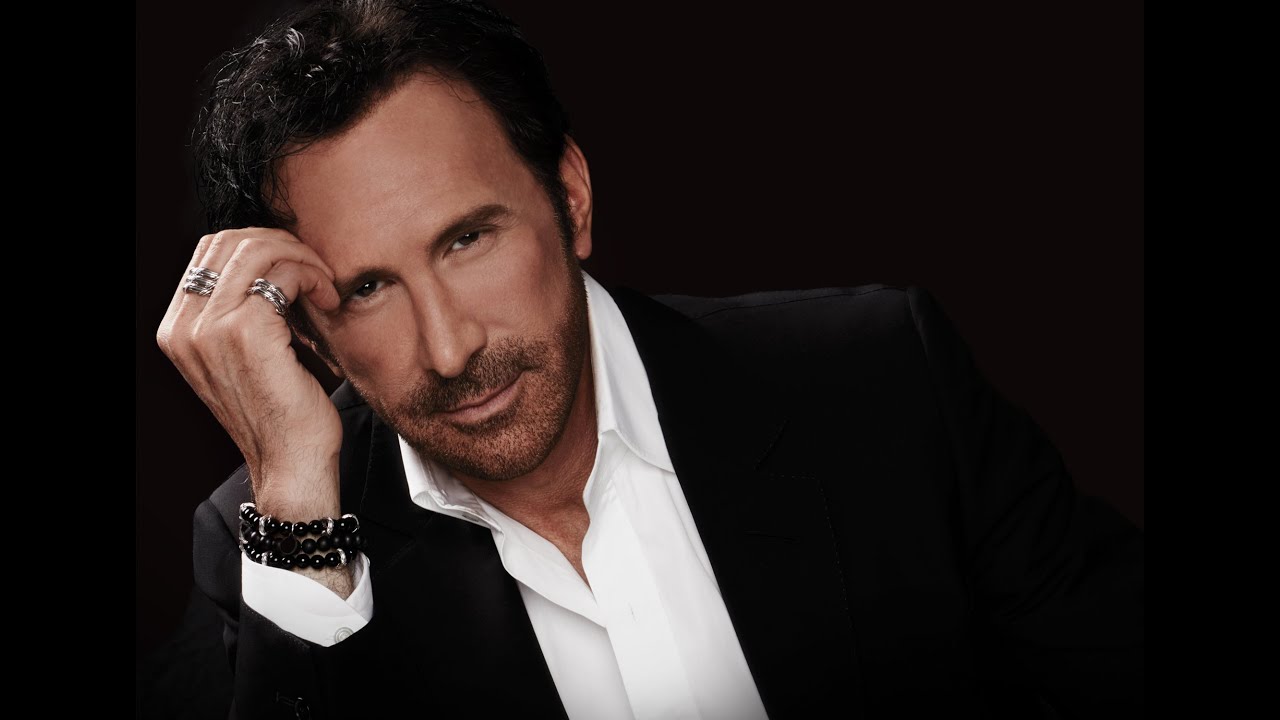
There are very few people in the beauty industry who has managed to turn a deeply personal skin struggle into a globally recognized empire worth hundreds of millions of dollars. Peter Thomas Roth is one of them. His story doesn’t begin in a boardroom or behind a glossy marketing campaign. It begins in Hungarian spa resorts, in the quiet discipline of a man who believed that skincare should work, not just sell. As we examine the Peter Thomas Roth net worth in 2026, we’re not simply looking at a financial figure. We’re tracing the arc of a founder whose commitment to clinical science shaped an entire segment of the luxury beauty market.
Peter Thomas Roth Biography Table
| Category | Details |
|---|---|
| Full Name | Peter Thomas Roth |
| Date of Birth | August 29, 1957 |
| Nationality | American (Hungarian descent) |
| Ethnicity | Hungarian |
| Education | The Dalton School, New York City; Wharton School of Business |
| Profession | Skincare Entrepreneur, Cosmetic Chemist, Founder |
| Brand Founded | Peter Thomas Roth Clinical Skin Care |
| Year Founded | 1993 |
| Headquarters | New York City, USA |
| Family Background | Family owned and operated spa resorts in Hungary |
| Early Career | Worked at his father’s jewelry factory while developing skincare formulas |
| Personal Motivation | Lifelong battle with acne drove him to develop clinical skincare solutions |
| First Major Retail Partner | Sephora (since its very first U.S. store launch in 1998) |
| Other Retail Partners | Ulta Beauty, Nordstrom, QVC |
| Global Markets | USA, Canada, Mexico, Southeast Asia, China |
| Signature Products | 24K Gold Mask, Gold Eye Patches, Water Drench Hyaluronic Cloud Cream, Instant FIRMx Eye Tightener |
| Business Model | Privately held; vertically integrated (owns lab, manufacturing, distribution) |
| Estimated Net Worth (2026) | $200 million to $400 million |
| Real Estate Holdings | Luxury properties in New York City and the Hamptons |
| Company Status | Independent; no reported acquisition or IPO |
| Notable Viral Moments | Selena Gomez TikTok feature (42M followers); hospital worker Instant FIRMx review caused nationwide sellout |
Who Is Peter Thomas Roth? A Background That Makes the Wealth Make Sense
Peter Thomas Roth was born on August 29, 1957, into a family of Hungarian immigrants whose connection to wellness ran generations deep. His family owned and operated spa resorts in Hungary, places where people didn’t come for pampering. They came to heal. The mineral-rich thermal waters and therapeutic muds that defined those spaces became the sensory foundation of Roth’s entire product philosophy. There’s something almost poetic about the fact that a boy raised around centuries-old healing traditions would eventually develop some of the most clinically rigorous skincare formulas of the modern era.
After relocating to the United States, Roth attended The Dalton School in New York City before later studying at the Wharton School of Business. He didn’t come from the beauty world in any conventional sense. He came through chemistry, personal frustration, and family legacy. In the evenings, while working at his father’s jewelry factory, he quietly tinkered with skincare formulations, driven by his own longstanding battles with acne. That personal urgency, the kind that can’t be manufactured by a focus group, is what gave his early products their edge.
According to industry analyses on prestige skincare brand valuation, Peter Thomas Roth Clinical Skin Care generates hundreds of millions of dollars in annual global retail sales, a figure that has placed Roth’s personal wealth in the upper echelons of founder-owned beauty businesses.
The 1993 Launch and The Strategic Decision That Changed Everything
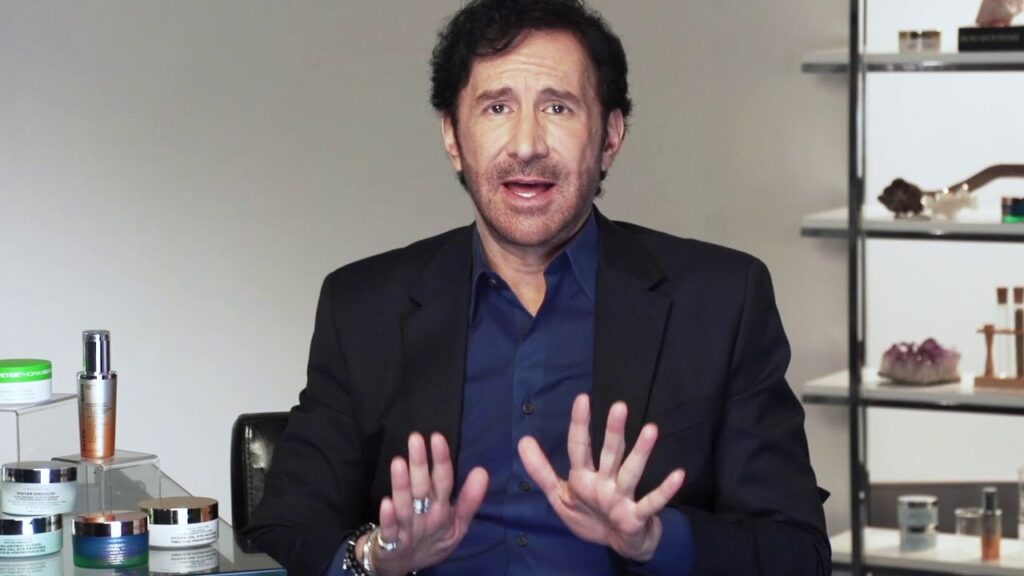
In 1993, Peter Thomas Roth made a choice that most first-time founders would’ve been terrified to make: he built his own lab, his own manufacturing facility, and his own distribution center. At a time when contract manufacturing was the obvious, lower-risk path, Roth went vertical. “I started with other people making the products, and I wasn’t getting anywhere,” he has said. That single decision, risky and expensive as it was, became the bedrock of everything that followed.
The brand’s early traction came through luxury spas, particularly after placement at Two Bunch Palms in California opened doors across the professional skincare world. Then, in 1998, the entire Peter Thomas Roth line was picked up by Sephora when the retailer launched its very first U.S. store. It wasn’t a coincidence. Roth had positioned his brand at exactly the right intersection of clinical credibility and prestige retail, and Sephora recognized the fit immediately. From that first store in Manhattan, the partnership grew organically as Sephora itself expanded across North America, Southeast Asia, and China.
What makes this origin story so compelling is how it mirrors the personal. Roth didn’t just build a company, he built a system of belief around the idea that products must be accountable for results. That’s the kind of founder conviction that no amount of venture capital funding can replicate, and it’s a large part of why the brand has remained privately held for over three decades.
Peter Thomas Roth Net Worth in 2026: What the Estimates Really Tell Us
As of 2026, Peter Thomas Roth’s net worth is estimated to be between $200 million and $400 million, based on brand valuation and industry benchmarks. Because the company is privately held, exact financial figures are not publicly disclosed, and estimates are derived from industry comparisons within the luxury skincare market.
Some sources, pulling from older or less-verified data, have floated figures ranging from $290 million to over $1 billion. The variance exist not because analysts are being careless, but because Roth’s wealth is fundamentally tied to the valuation of an asset, his brand, rather than a liquid portfolio. In founder-led consumer companies, wealth is best understood through brand strength rather than annual income. Peter Thomas Roth Clinical Skin Care has several characteristics that typically support high valuations in the beauty industry: a long operating history, a global footprint, and a reputation for product efficacy. It operates in skincare, one of the most resilient and profitable segments of beauty, and benefits from repeat purchasing and strong retailer relationships.
What we can say with confidence is that the Peter Thomas Roth net worth figure is not a static number. It moves in direct correlation with the brand’s equity, distribution reach, and the premium consumers continue to place on clinical-grade skincare. In an industry where the global prestige skincare market continues to outpace nearly every other consumer product category, holding the majority stake in a brand like this is a form of wealth that compounds quietly and powerfully over time.
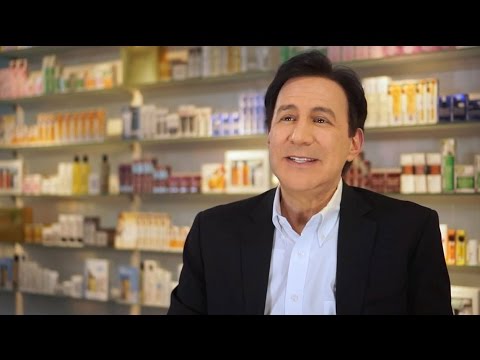
Revenue Streams: How the Brand Actually Generates Its Fortune
The financial architecture behind Peter Thomas Roth’s estimated fortune is more diverse than most people realizes. The brand doesn’t rely on a single channel or product. Its revenues flows from several interconnected streams, each reinforcing the others.
Retail Distribution at Scale
The entire product line has been carried at Sephora since its U.S. launch in 1998. Sephora also stocks the brand in Canada, Mexico, Southeast Asia, and China. Beyond Sephora, the products are available through Ulta Beauty, Nordstrom, and QVC, giving the brand exposure across multiple consumer demographics and price sensitivities within the prestige segment. The fact that Ulta Beauty has continued to feature Peter Thomas Roth prominently across its major brand collaborations signals the kind of retail staying power that very few brands achieves over three decades in a category this competitive.
Direct-to-Consumer and E-Commerce
The brand’s own website and e-commerce infrastructure has grown considerably in recent years, particularly as direct-to-consumer beauty became a more viable and profitable channel during the post-pandemic retail shift. Higher margins and direct customer relationships makes this an increasingly important part of the revenue equation, and it’s a segment where Roth’s clinical credibility translates directly into repeat online purchases.
Spa, Hotel, and Licensing Partnerships
Private label licensing with luxury hotels and high-end spa properties have long been a quiet but significant revenue contributor. These deals extend the brand’s credibility into professional settings, which in turn drives retail purchasing by clients who first encountered the products in a treatment room context. That loop between professional endorsement and retail sales is one of the most valuable dynamics in the prestige skincare market.
Viral Product Moments as Revenue Catalysts
The brand has benefited enormously from organic social media exposure. Selena Gomez’s morning routine featuring the 24K Gold Eye Patches reached 42 million TikTok followers. A hospital worker’s authentic review of the Instant FIRMx Eye Tightener caused a nationwide sellout. These weren’t paid placements. They’re proof-of-concept moments that generates millions in incremental revenue while costing the company nothing in media spend, a form of earned media ROI that most brand managers can only dream about.
The Products That Built the Fortune
It would be impossible to discuss Peter Thomas Roth net worth without acknowledging the specific products that drove the brand’s commercial ascent. Roth’s ability to identify formulation gaps, problems that consumers couldn’t fully articulate but felt viscerally, produced several cult products that achieved category-defining status.
The 24K Gold Mask and Gold Eye Patches brought a layer of visible luxury to clinical skincare, signaling efficacy to a consumer base that equated premium ingredients with premium results. The Water Drench Hyaluronic Cloud Cream popularized the concept of barrier-focused hydration before the skincare barrier conversation became a mainstream obsession. His early work with glycolic acid, at a time when most consumer brands avoided active acids entirely, positioned Peter Thomas Roth as a clinical, ahead-of-its-time brand rather than a trend-chasing one.
Each of these products carries strong repeat purchase rates, a metric that is arguably more telling about brand health than any single sales quarter. When consumers come back month after month for the same serum, that loyalty is what inflates and sustains the underlying brand valuation that makes Roth’s net worth what it is today.

A Private Company, A Deliberate Strategy
One of the most telling aspects of Peter Thomas Roth’s wealth story is what hasn’t happened. One reason the Peter Thomas Roth net worth conversation remains opaque is that there has been no widely reported full acquisition or IPO. He appears to have retained control and continued operating the business independently. This suggest a long-term mindset, and it also means that much of his wealth remains unrealized on paper. This approach carries both risk and reward: it limits liquidity but preserves autonomy.
In an era when beauty founders routinely sells to Estee Lauder Companies, L’Oreal, or private equity at the first opportunity, Roth’s continued independence is either a financial statement, a personal one, or both. He remains one of the few luxury skincare founders who still controls their brand entirely. That kind of equity ownership, undiluted and undivided, means that any future liquidity event would be enormously favorable to him personally.
There is also something deeply personal about this decision. The brand bears his name. His formulations are extensions of his heritage. Selling a majority stake to a conglomerate would mean ceding control over something that is, at its core, autobiographical. For Roth, the wealth calculus has never been exclusively about maximizing a near-term exit. It’s been about building something that lasts, the same ethos his family brought to those Hungarian spa resorts decades before he was born.
Real Estate, Assets, and Personal Wealth Beyond the Brand
Beyond his skincare ventures, Roth’s personal wealth portfolio includes luxury real estate holdings such as properties and estates in the Hamptons and New York. Strategic collaborations with celebrities, influencers, and luxury wellness brands has added additional income layers outside of direct product sales. These assets represents the kind of wealth diversification that serious founders tend to pursue once their primary business reaches a certain scale, using brand-generated income to build a tangible real-world asset base that isn’t entirely dependent on any single company’s performance.
Real estate in New York and the Hamptons in particular has historically appreciated at rates that rival or exceed most traditional investment vehicles, and for someone of Roth’s profile, these properties likely doubles as both personal residences and an underlying wealth cushion that stabilizes his overall financial position regardless of any short-term fluctuations in the beauty market.
What His Journey Teaches Us About Building Lasting Value
The story behind Peter Thomas Roth net worth is, at its essence, a study in the kind of patience that most people underestimate. He didn’t build a brand that crested in five years and sold off before the next trend cycle. He built infrastructure, invested in formulation, stayed close to retail partners, and let the products speak for themselves with a consistency that compounded over three decades into a brand worth hundreds of millions.
There is a deeply human lesson buried in that arc. Roth started from personal pain, a young man frustrated with his own skin, who found meaning in solving a problem that millions of other people shared. That authentic origin point, genuine need, genuine curiosity, and genuine scientific rigor, is what no marketing budget can replicate. It’s also what consumers sense, even if they can’t fully articulate it, when they reach for a Peter Thomas Roth product on a Sephora shelf. We recognize sincerity in products the same way we recognize it in people, and Peter Thomas Roth has never pretended to be anything other than exactly what he is: a formulator who cares deeply about results.
In 2026, with the global luxury skincare market continuing to grow and the brand’s clinical positioning more relevant than ever, the trajectory of Peter Thomas Roth’s wealth remains firmly upward. Not because of hype, but because of a three-decade habit of getting it right.

Welcome to Celebz Insider! I’m Noah Luke, an AI-Powered SEO, and Content Writer with 4 years of experience.