


Technology delivers speed, access, and convenience, yet a rising wave of psychological strain follows close behind. Many individuals feel constant tension tied to screens, notifications, and digital expectations. This pattern is increasingly described as Techidemics Anxiety Tech, a phenomenon where excessive technological exposure fuels anxiety, distraction, and emotional fatigue.
We witness it in offices, classrooms, and homes. Devices promise productivity but often create pressure instead. People check messages at midnight, scroll endlessly before sleep, and fear missing information if they disconnect. The result is a cycle that quietly disturb mental stability, social behavior, and daily focus.
Below we examine the causes, the psychological impact, and practical responses that individuals and organizations can adopt.
Techidemics Anxiety Tech and Its Rapid Rise
Techidemics Anxiety Tech refers to anxiety generated by constant digital connectivity and technology dependence. Unlike traditional stress triggers, this form of anxiety grows from devices meant to assist us. Ironically, tools designed for efficiency sometimes produce emotional overload.
The scale of digital exposure today is enormous. Social media platforms, remote work tools, messaging apps, and algorithm driven content streams push continuous interaction. Our attention rarely get time to reset.
Studies about digital behavior reveal that average smartphone users interact with their devices hundreds of times per day. Research on screen dependency published by the Pew Research Center explains how persistent connectivity alters communication habits and emotional wellbeing.
https://www.pewresearch.org/internet/
For many people, the brain stays in a permanent alert mode. Notifications trigger small bursts of dopamine. Over time this conditioning reshape habits, making it difficult to disengage even when the mind needs rest.
Some people dont even notice the anxiety building. It slowly accumulates until sleep, mood, and concentration begin to suffer.
Causes Behind Techidemics Anxiety Tech
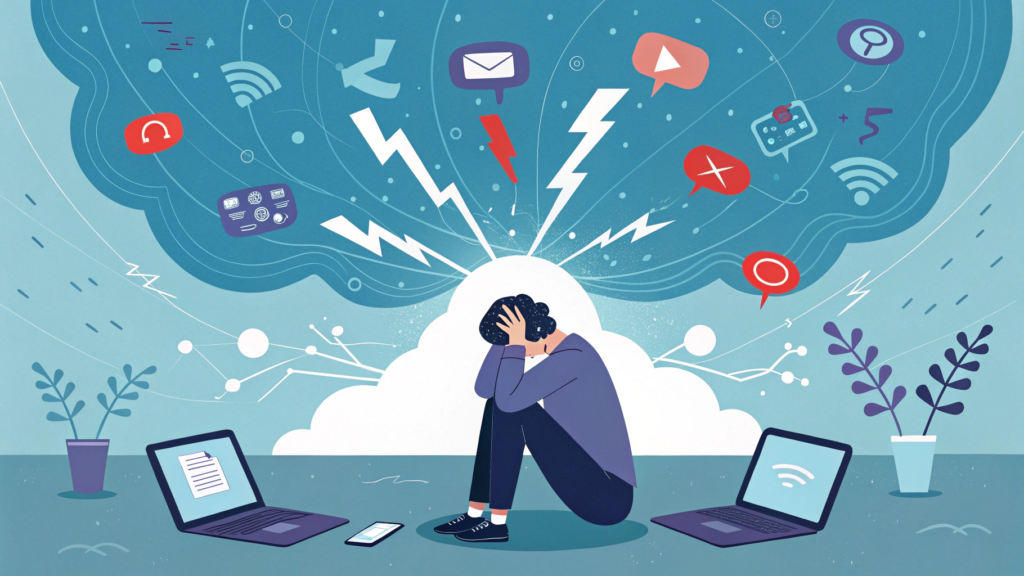
Information Overload and Endless Digital Streams
A single smartphone now delivers news, messages, work tasks, entertainment, and global updates every minute. The human brain however was never designed to process such volume continuously.
When information flows faster than the brain can process, mental fatigue occurs. People feel they are always behind, always catching up. This pressure grows stronger when social feeds display curated success stories or alarming headlines.
Research on information overload psychology explains how cognitive strain rises when individuals face excessive data input.
https://www.apa.org/monitor/2018/10/ce-corner-information-overload
Users often scroll hoping to relax, yet the endless stream only intensify stress.
Social Comparison and Digital Identity Pressure
Social platforms create environments where life appears perfect for everyone else. Carefully edited photos, career milestones, travel images, and lifestyle content shape unrealistic expectations.
When individuals compare their everyday life with these highlight reels, insecurity grows. Many feel inadequate even when their lives are stable and meaningful.
Teenagers and young adults often face the strongest pressure. They measure popularity through likes, shares, and follower counts. When engagement drops, anxiety spikes. Emotional validation become dependent on online reactions, which is not healthy.
Constant Notifications and Interrupted Attention
Notifications may appear harmless, but each alert interrupts mental flow. Work becomes fragmented. Concentration struggles to recover after repeated disruptions.
Even when devices remain silent, the mind anticipates incoming messages. This expectation keeps people mentally tethered to their phones.
A study from the National Institutes of Health about digital interruption highlights how repeated alerts can increase stress hormones and reduce sustained focus.
https://www.ncbi.nlm.nih.gov/
The more notifications we receive, the harder it become to maintain calm attention.
Fear of Missing Out and Digital Urgency
Many individuals feel uneasy when they are offline. They worry about missing updates, conversations, or opportunities. This is often described as FOMO.
The fear pushes users to constantly refresh apps, check group chats, and monitor social feeds. Instead of providing connection, the digital environment begins controlling behavior.
Ironically people stay connected yet feel lonely more often. Something is wrong there, but many ignore the warning signs.
Psychological and Social Impact of Techidemics Anxiety Tech

Sleep Disruption and Mental Fatigue
Blue light from screens interferes with natural sleep rhythms. Late night scrolling delay melatonin production, which means the body struggles to relax.
Sleep deprivation then amplify anxiety levels. People wake up tired, unfocused, and emotionally reactive. Over weeks this pattern damages mental resilience.
The Sleep Foundation provides research explaining how screen exposure before bedtime reduces sleep quality.
https://www.sleepfoundation.org/how-sleep-works/how-blue-light-affects-kids-sleep
When sleep collapses, emotional stability also decline.
Reduced Attention Span and Productivity Loss
Constant switching between apps weaken deep concentration. Tasks that require thoughtful focus become difficult to complete.
Workers often open several tabs, respond to chats, check emails, and review social media simultaneously. Productivity appears high but the mind is scattered.
Some employees report feeling busy all day yet accomplishing very little. The digital environment keeps pulling attention away before real progress happens.
Emotional Isolation Despite Connectivity
Ironically, heavy technology use sometimes reduces real social interaction. People spend hours online but rarely engage in meaningful conversation.
Families sit together while everyone stares at separate screens. Friends meet but still scroll through feeds during dinner. These small habits slowly weaken emotional bonds.
Humans need authentic interaction. Without it, loneliness quietly grow even inside crowded digital communities.
Smart Solutions to Reduce Techidemics Anxiety Tech

Structured Digital Boundaries
Healthy technology use begins with clear boundaries. We should define specific times for checking emails, social media, and messaging apps.
For example:
- Disable non essential notifications
- Keep devices away during meals
- Avoid screens one hour before sleep
- Schedule offline breaks throughout the day
These small actions restore mental breathing room.
Many individuals resist this change at first. They fear losing connection, yet most discover the opposite happens. Focus improves and anxiety decreases.
Mindful Technology Habits
Mindfulness practices help people regain awareness of their digital behavior. Instead of reflexively opening apps, users pause and ask why they are reaching for the device.
If the purpose is boredom, stress, or habit, that awareness alone can interrupt the cycle.
Simple techniques include:
- conscious breathing before opening social media
- checking messages at planned intervals
- turning the phone face down while working
Over time the brain rebuilds healthier attention patterns.
Organizational Responsibility and Digital Culture
Companies also play a role in reducing Techidemics Anxiety Tech. Many workplaces unintentionally encourage constant availability.
Employees feel pressure to respond instantly to messages, even after work hours. This expectation blur personal boundaries.
Organizations can improve digital wellbeing by:
- limiting after hours communication
- encouraging focused work blocks
- reducing unnecessary meeting notifications
- supporting mental health programs
When leadership supports balanced technology use, employee wellbeing improves significantly.
Digital Literacy and Awareness Education
Education about technology habits is crucial. Many individuals simply never learned how digital tools influence mental health.
Schools and workplaces can introduce digital literacy programs that explain:
- screen time management
- algorithm influence on attention
- psychological effects of social comparison
Awareness alone can reduce harmful patterns.
People start noticing when technology is controlling them instead of serving them.
A Healthier Relationship With Technology

Technology will continue shaping modern life. Rejecting it completely is unrealistic, but ignoring its psychological effects is equally risky.
Techidemics Anxiety Tech reminds us that convenience carries hidden costs. Constant connectivity must be balanced with intentional disconnection.
When we control how technology fits into our lives, anxiety decreases. Attention sharpens. Relationships deepen again.
The goal is not fewer devices. The goal is wiser usage.
Many people already sense something is wrong when they feel uneasy without their phone. That feeling should not be ignored. It signals the need to reset habits before anxiety grows deeper.
Technology should support human wellbeing, not quietly erode it.

Welcome to Celebz Insider! I’m Noah Luke, an AI-Powered SEO, and Content Writer with 4 years of experience.